Frequently Asked Questions

Got questions about a celebrant-led ceremony or just curios, below are the most frequent questions I get. If you can’t find what you are looking for , simply “ask me” and I will get back to you with an answer.
What qualifies me as a celebrant?
I completed my training as an Independent Celebrant through the International College of Professional Celebrants. This college, located within the Yorkshire Dales, was truly inspirational and made me passionate to creatively craft completely unique ceremonies for my wonderful couples.
Your story has a start, middle and ceremony.
Following your enquiry, I will send you a questionnaire to begin getting to know you as early as possible. I will use this information to bring ideas and visions we can discuss when we meet, together we will explore your ideas and how we can weave them into your ceremony.
The words I craft will capture the essence of your journey from your first date, through to the day you say “I do” and leave your guests enraptured and wonderful memories they will take away from your special day.
I’d love to help make your day special by creating and delivering ceremonies that reflect your unique identities.
How long before do you book a celebrant?
You may talk to a few celebrants before you decide who you want. To make sure you get them and for your preferred date, I would recommend booking at least 12 months ahead. Remember summer ceremonies are popular.
What about the legal stuff?
Whilst a celebrant-led ceremony isn’t legally binding, it allow you to separate the legal registration from your wedding day. You are then free to focus on your big day making it truly memorable. Most people choose to have a small legal ceremony with a registrar beforehand, then you are free to design your ceremony as you want.
For naming ceremonies these are not a “christening” into a specific religious faith, and they do not prevent your child from participating in any future denominational or religious ceremony.
When will we get the first draft of our ceremony?
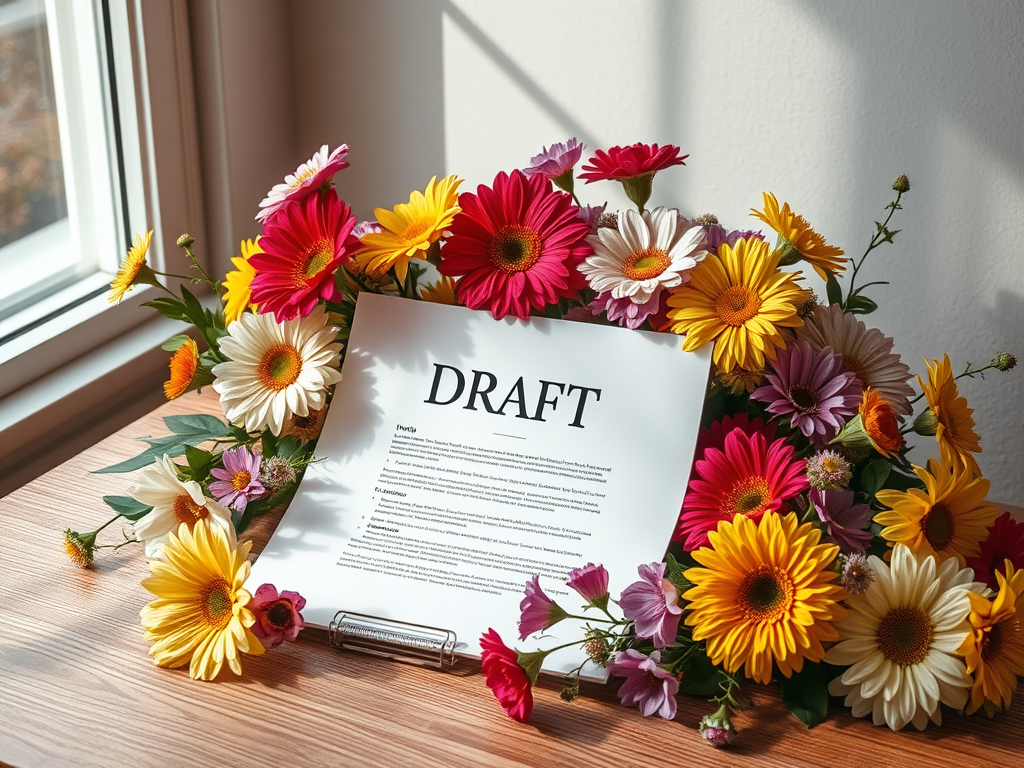
In order to personalise your ceremony, I will ask that you complete a questionnaire that I will provide to you just before our initial meeting. As soon as you let me have this questionnaire I get to work creating your ceremony.
Ideally, I will send you your first draft within a couple of weeks of our initial meeting while all the ideas you discussed as still fresh. This will allow us plenty of time to personalise it further and add your own ideas to make it totally unique.
I like to try to finalise ceremonies at least 2 months before the big day as I know you will be flat out finalising all the other details of your wedding the closer it gets. So the earlier in the planning phase we can work on and finalise the ceremony the better.
How can I personalise a ceremony?
You have the flexibility to create a ceremony that is all about you, Include a favourite poem, song or cultural ritual. You can invite a friend or family member to take part.
I will work with you to weave your personal story into the ceremony, which means it is about your journey as a couple and the ceremony will match your personalities whether that is humorous or deeply romantic.
I guarantee your ceremony will be unique to you.
Does a humanist ceremony differ from a traditional ceremony?
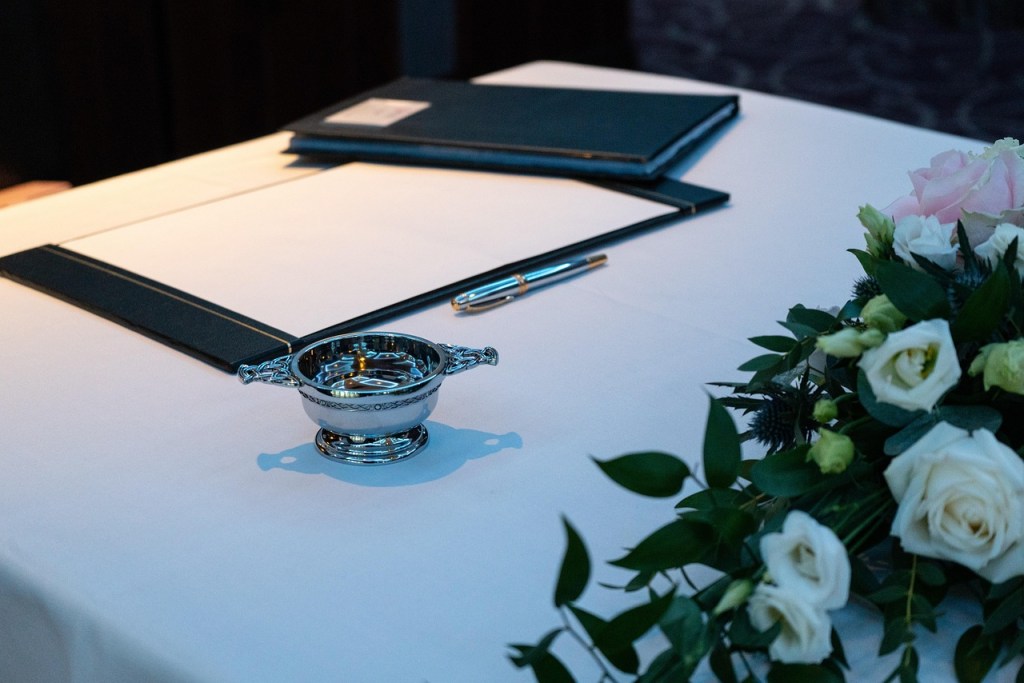
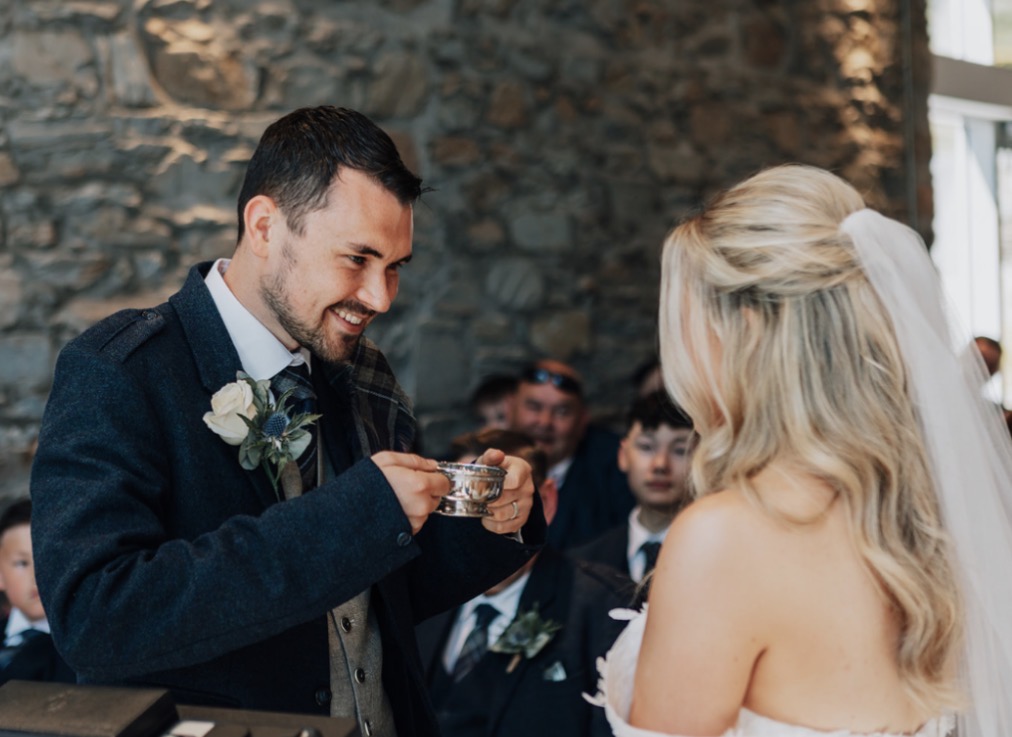
A humanist ceremony tends to include rituals, whereas a traditional ceremony may not always have them included. There are many rituals, not all referenced on my site, from the more known such as handfasting to the lesser known such as sharing a cup (or quaich) or the jumping the broom . Many rituals may appear like simple celebrations, however, they are deeply historic.
Did you know that the phrase “tying the knot” originates from the Celtic ritual of handfasting when the couple’s hands are tied together with cord to symbolise their union.
Can we have bridesmaids/men and a best man/woman at a commitment ceremony?
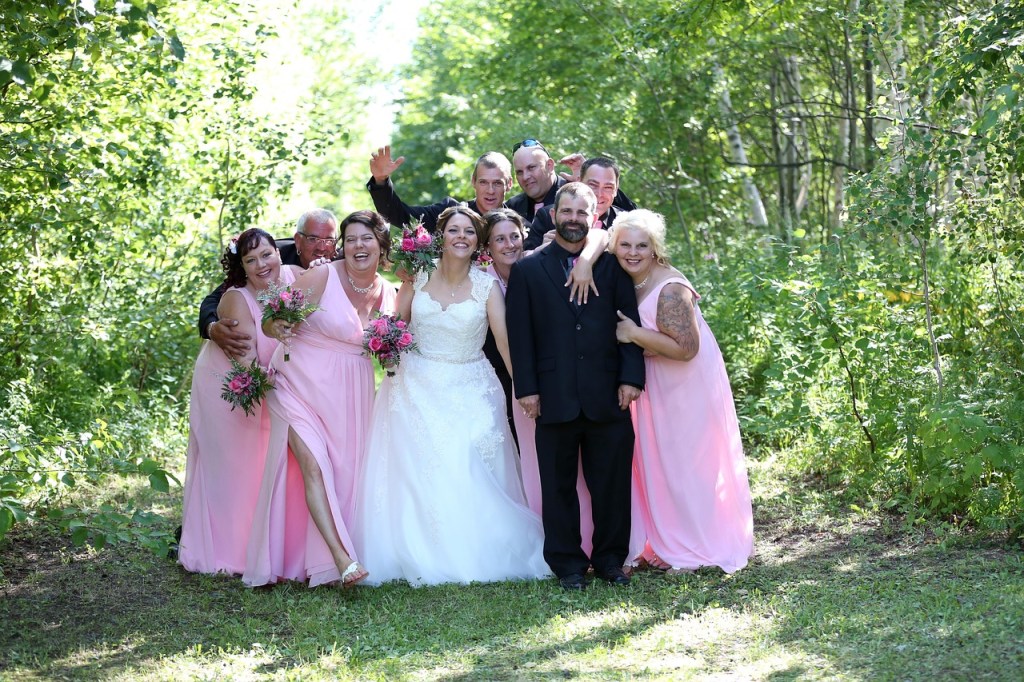
Absolutely, your ceremony can be exactly the same as a traditional ceremony if that is what you want.
Just because there is no legal recognition of the ceremony does not make it any less significant, there will be many reasons why a couple do not want to get married.
I put care, attention and detail into all my ceremonies equally.
What about the location?
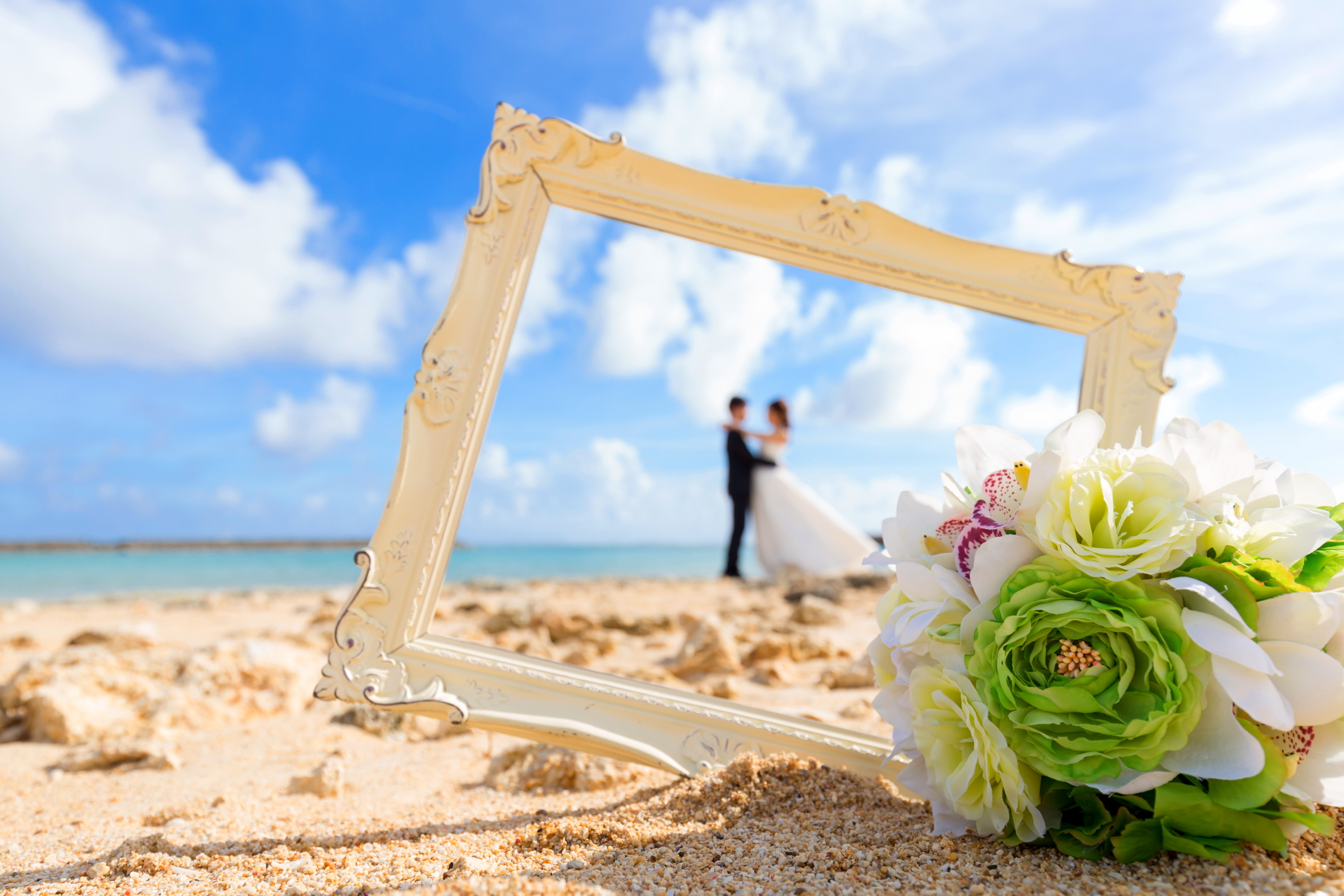
That’s the beauty of a celebrant-led ceremony you are not restricted to licensed venues which means you can say “I do”, anywhere, at home, on the beach, a hotel you decide.
Think about the atmosphere you want to create, for example do you want formal or informal, rustic or modern. Think about the availability of amenities for you and your guests. Is the location easy for your guests to reach, including those with mobility issues. Is the ceremony an outdoor location and are you then moving inside, do you need to consider transport for your guests who probably won’t be driving. Also, think about the season and the weather and always have a plan B.
Lastly, think about the size of the venue/area in relation to the size of your guest list, is it big enough, too small or the perfect size.
Can pets be involved in the ceremony?
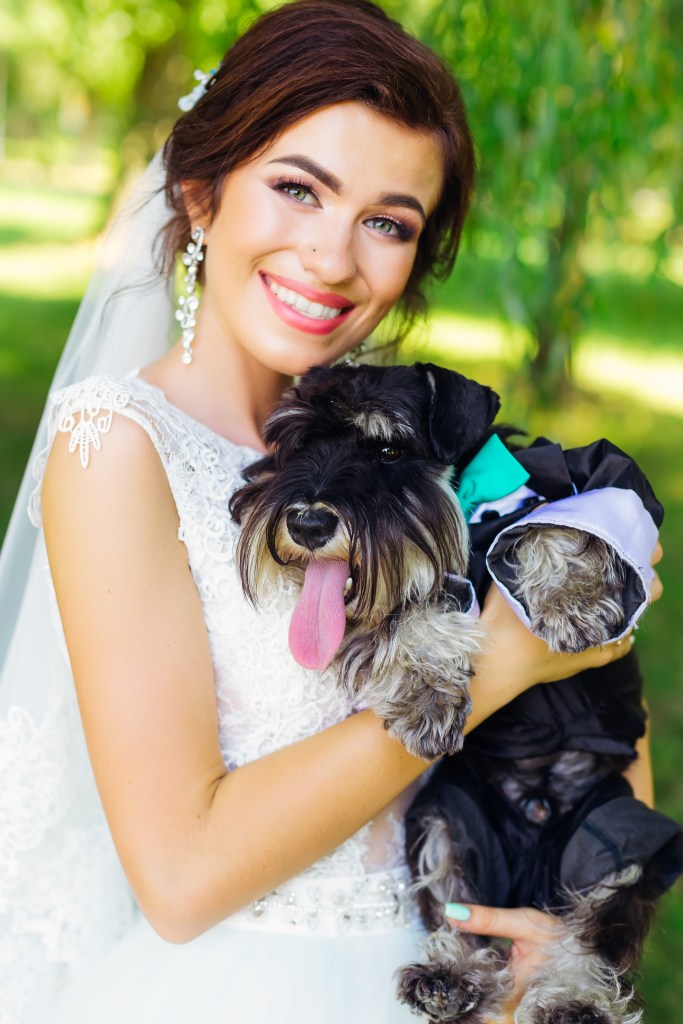
Pets are part of the family so it is understandable that you may want them to play some part in your day, whether it’s in the photos or at the actual ceremony. It’s a way to add a personal and memorable touch, your pet can be a ring bearer, can stand with the groomsman as you come down the aisle or if you think your pet will be overwhelmed have them with you are getting reading or include them in a special photo.
There are some things you will need to consider before you decide such as your venue’s policy on pets, your pets temperament being around people they are not familiar with, are they likely to make noise during speeches or when music is playing and think about having someone who will look after them during the event making sure they are safe and comfortable. It may be worthwhile letting guests know your pet will be part of the ceremony in case they have any allergies.
Are naming ceremonies just for babies?
Absolutely not, thee is no strict age limit and whilst it is more common for the ceremony to be for a baby, naming ceremonies are suitable for infants and young adults, as well as welcoming adopted or step children into a family.
Naming ceremonies are increasingly used to celebrate personal milestones, such as name changes following a divorce or legal gender.

What are guide parents in a naming ceremony?
A guide parent is a non-religious alternative to a traditional godparent, chosen to play a significant role in your child’s life. Because naming ceremonies have no legal standing you can have as many guide parents as you like as there are no legal restrictions.
Guild parents do not offer spiritual guidance, they act as role models, mentors and a “safe space” for your child outside of your immediate family. Their main role is to offer lifelong love, guidance and emotional support as your child grows up.
It is important to know that a guide parent is not a legal guardian.
How do we plan a ceremony if we live outside the UK?
Clear lines of communication are essential if we are planning a ceremony from afar.
Our initial meetings will be via Teams or Face Time, I will ask you to complete the wedding questionnaire as I would do for somebody living in the UK so I can start to get to know you. I’m not going to lie there will be lots of back and forth as we create your perfect ceremony and teams/face time will become our best friend.
I would recommend a meeting as soon as you are back in the UK to make sure something has not been lost in translation and we are all on the same page.

Great communication starts with a connection!
Do you perform more than one ceremony each day?
Absolutely not, your ceremony will be the only one I perform on the day of your wedding, you will have my undivided attention !

Do you perform ceremonies abroad?
Yes, I travel to destinations abroad to perform your ceremony.
Normally, the legalities are carried out in the Uk before travelling abroad, however, you can choose to incorporate cultural rituals native to your destination if you wish. If you want to have your marriage legalised abroad you will need to comply with their laws, this can take time to arrange so please start arranging this early so you know what is involved. Most hotels will have a wedding co-ordinator who can help you with this and also work with me to make sure your ceremony is perfect.
In addition to the ceremony fee, you will need to factor in the cost of my travel and accommodation. Whilst I will do as much as I can from the UK, I will need to be at the location at least 24-48 hours before the ceremony to check and finalise details and have a final meeting with you before the day.


 Forever starts here